
Our latest adventure took us to a place steeped in history and significance—the site of the Battle of Little Bighorn. With the whole family in tow, including grandparents and children, we set out to explore this pivotal location, eager to learn and reflect on the past. What we discovered was a deeply moving experience that left each of us with a meaningful connection to this important chapter in American history.

A Step Back in Time
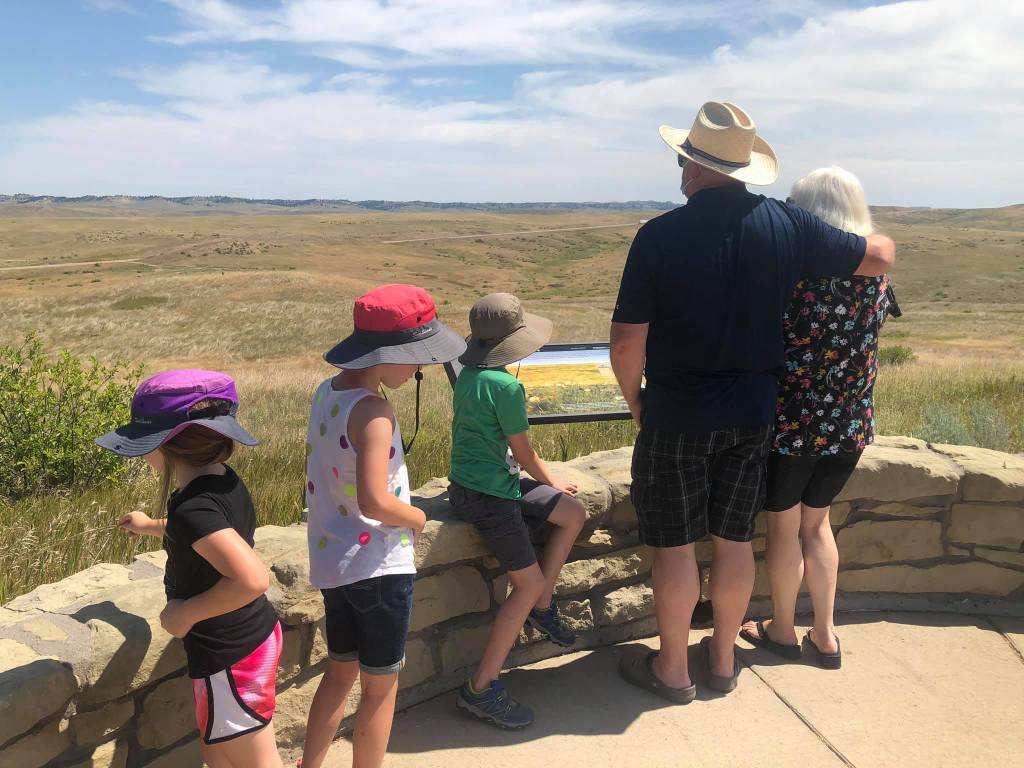
As we arrived at the Little Bighorn Battlefield National Monument in Montana, we were struck by the serene beauty of the rolling hills and vast plains. It’s hard to imagine that this peaceful landscape was once the site of such intense conflict. The battle, which took place in June 1876, was a significant event in the Great Sioux War, where the combined forces of the Lakota, Northern Cheyenne, and Arapaho tribes faced off against the 7th Cavalry Regiment of the United States Army, led by Lieutenant Colonel George Armstrong Custer.

The Visitor Center and Museum
Our first stop was the Visitor Center and Museum, where we immersed ourselves in the historical context of the battle. The exhibits, featuring artifacts, photographs, and detailed accounts, provided us with a comprehensive understanding of the events leading up to and during the battle. The kids were particularly fascinated by the interactive displays and the model of the battlefield, which helped them visualize the strategies and movements of both sides.
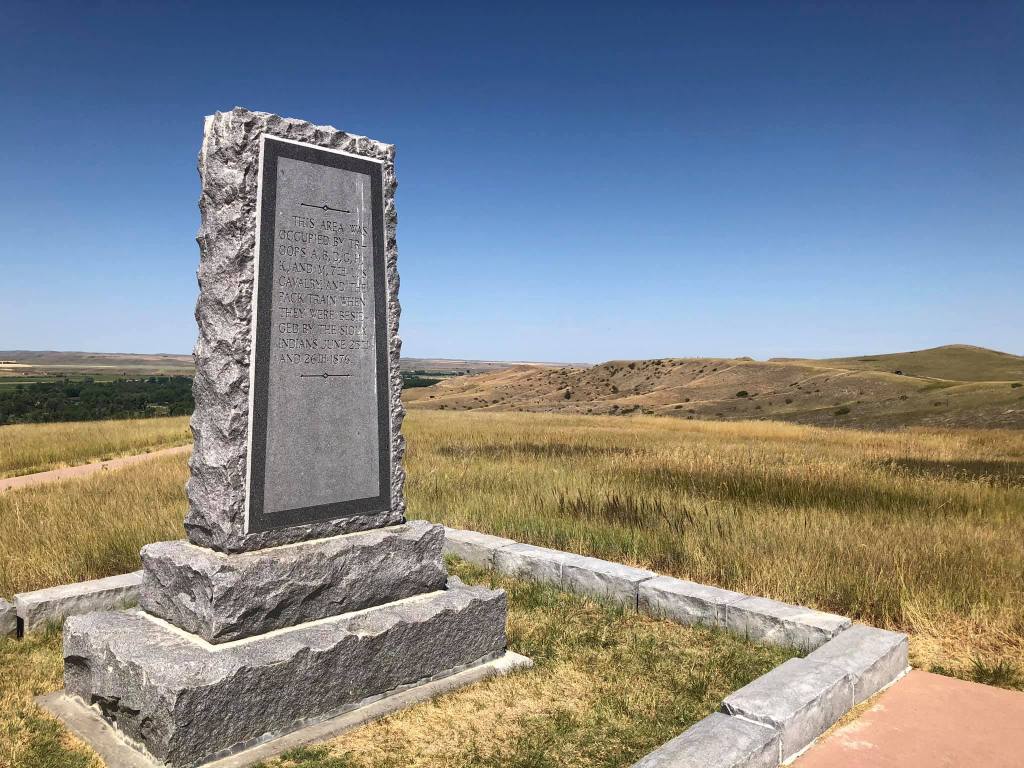
Guided Tours and Ranger Talks
We decided against a guided tour, but there were ranger’s around the site who were available to answer questions. Walking the battlefield, we learned about the bravery, tactics, and tragic outcomes experienced by both the Native American warriors and the U.S. soldiers. The ranger’s insights offered a balanced perspective, emphasizing the profound impact the battle had on the Native American tribes and their way of life.
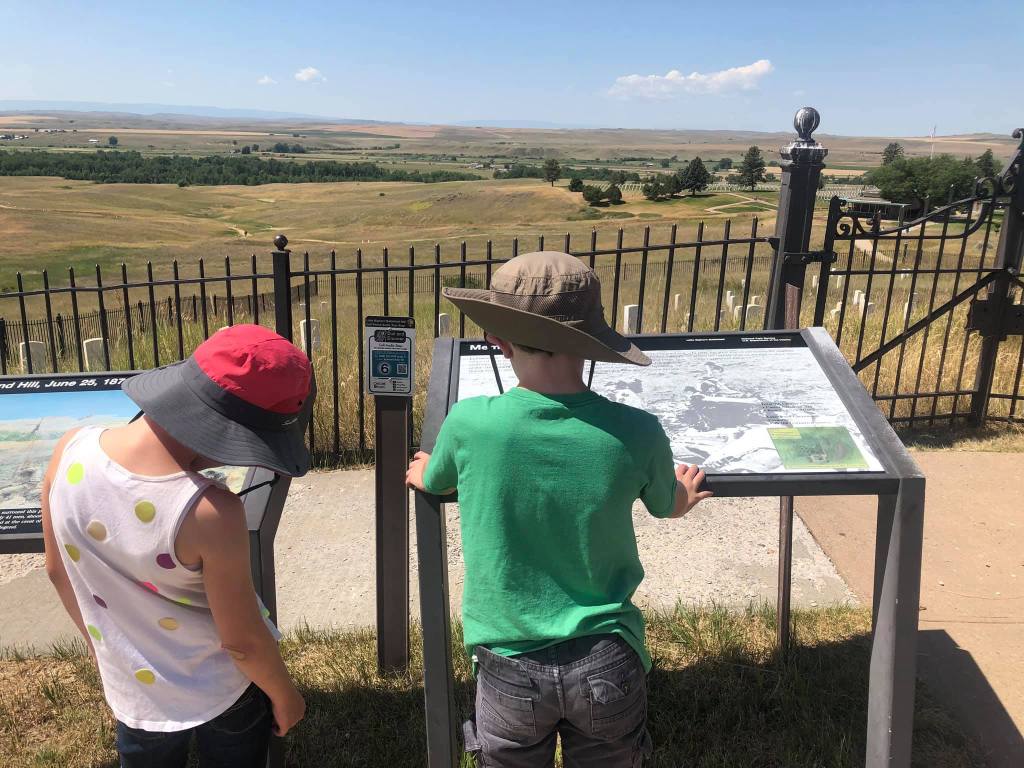
The Indian Memorial
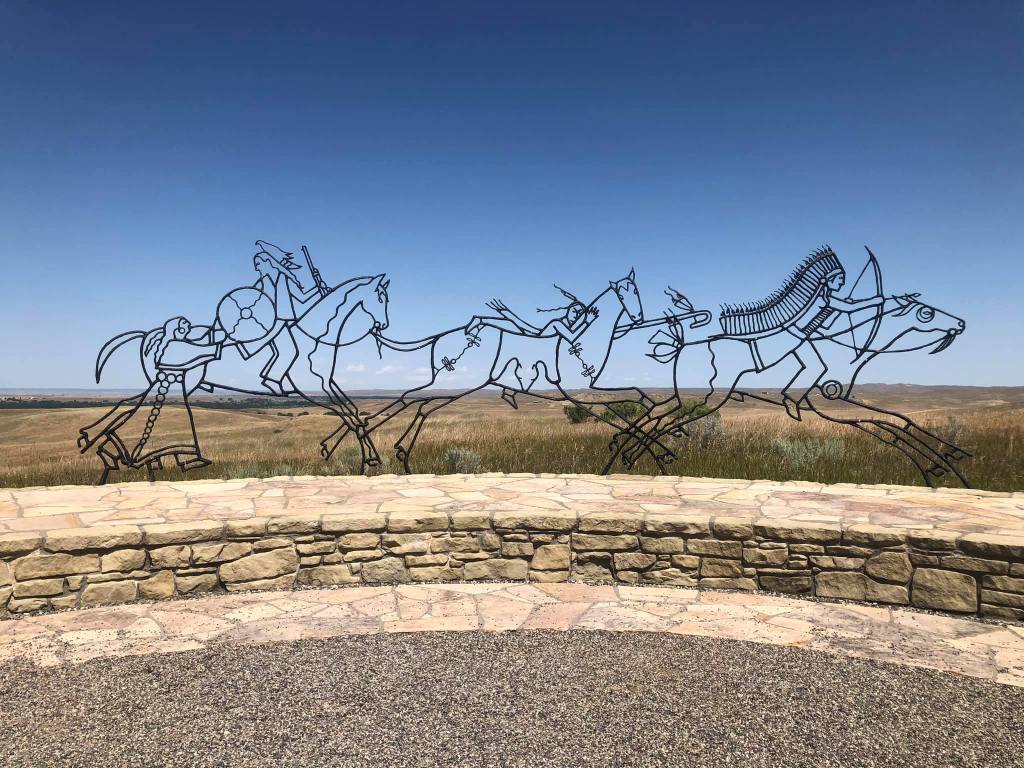
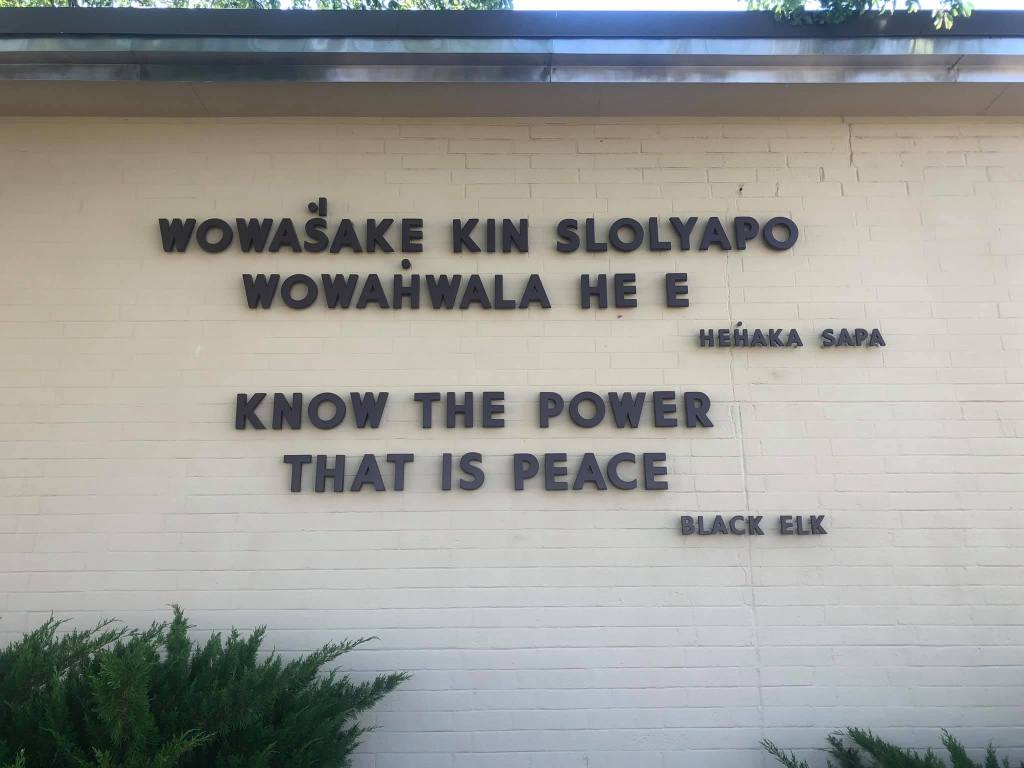
A highlight of our visit was the Indian Memorial, a powerful tribute to the Native American warriors who fought to protect their land and culture. The circular design, with its Spirit Gate open to the battlefield, symbolizes an inclusive and reflective space. Standing there, we felt a deep sense of respect and solemnity. The kids asked thoughtful questions about the names inscribed on the walls, leading to meaningful discussions about courage, loss, and resilience.
Last Stand Hill and Custer National Cemetery
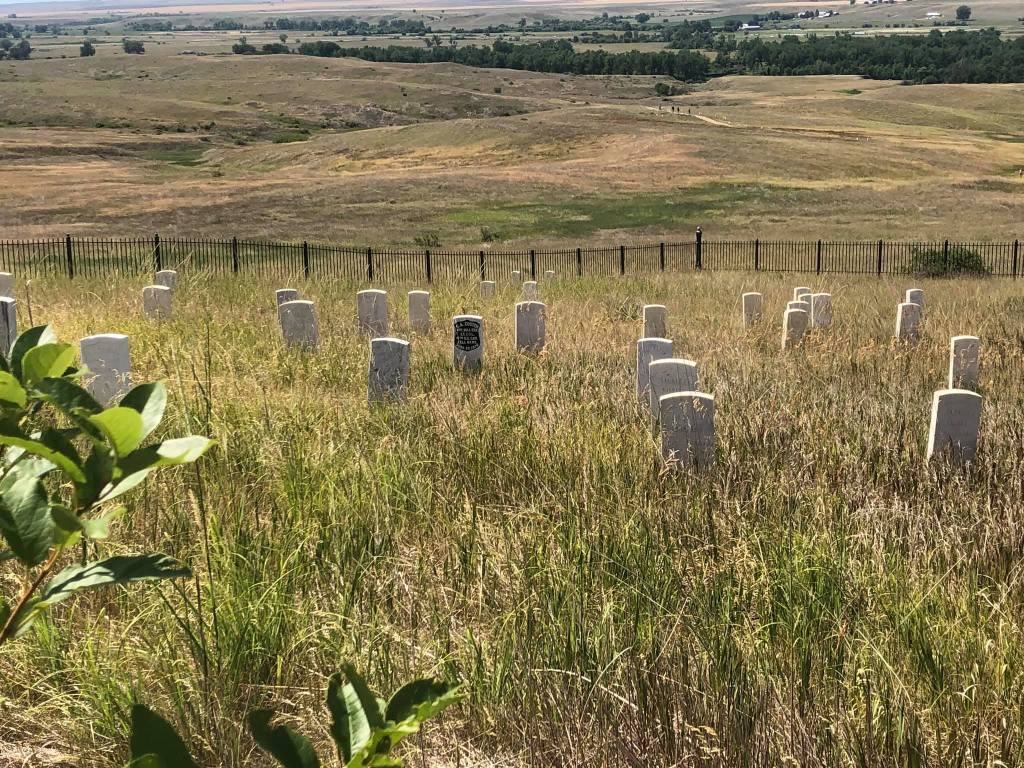
At Last Stand Hill, where Custer and many of his men made their final stand, we paused to reflect on the gravity of the moment. The white marble markers, scattered across the hill, serve as a stark reminder of the lives lost. Nearby, the Custer National Cemetery honors not only the soldiers of the Battle of Little Bighorn but also veterans from various conflicts, adding layers of historical significance to our visit.
A Multi-Generational Experience
Bringing the whole family, from grandparents to young children, enriched our visit in unexpected ways. Our parents shared their perspectives, connecting the historical events to broader themes of cultural understanding and respect. The kids, with their curiosity and fresh perspectives, prompted us to think more deeply about the lessons we can learn from history. Together, we found common ground in our desire to honor the past and carry its lessons into the future.
A Sobering and Important Journey
Visiting the site of the Battle of Little Bighorn was a sobering and important journey for our family. It reminded us of the complexities of history and the enduring impact of past events on present and future generations. We left with a renewed commitment to learning, understanding, and respecting the diverse narratives that shape our world.
If you’re planning a family trip, we highly recommend including the Little Bighorn Battlefield National Monument on your itinerary. It’s a powerful destination that offers valuable lessons and meaningful experiences for visitors of all ages.
 Lo+Mo
Lo+Mo 
Leave a comment